Blog

Tech Guides & Resources

Deep-dive articles on networking, cybersecurity, DNS, and modern IT systems for developers and tech enthusiasts.

How DMARC Protects Your Domain
General 11 min read

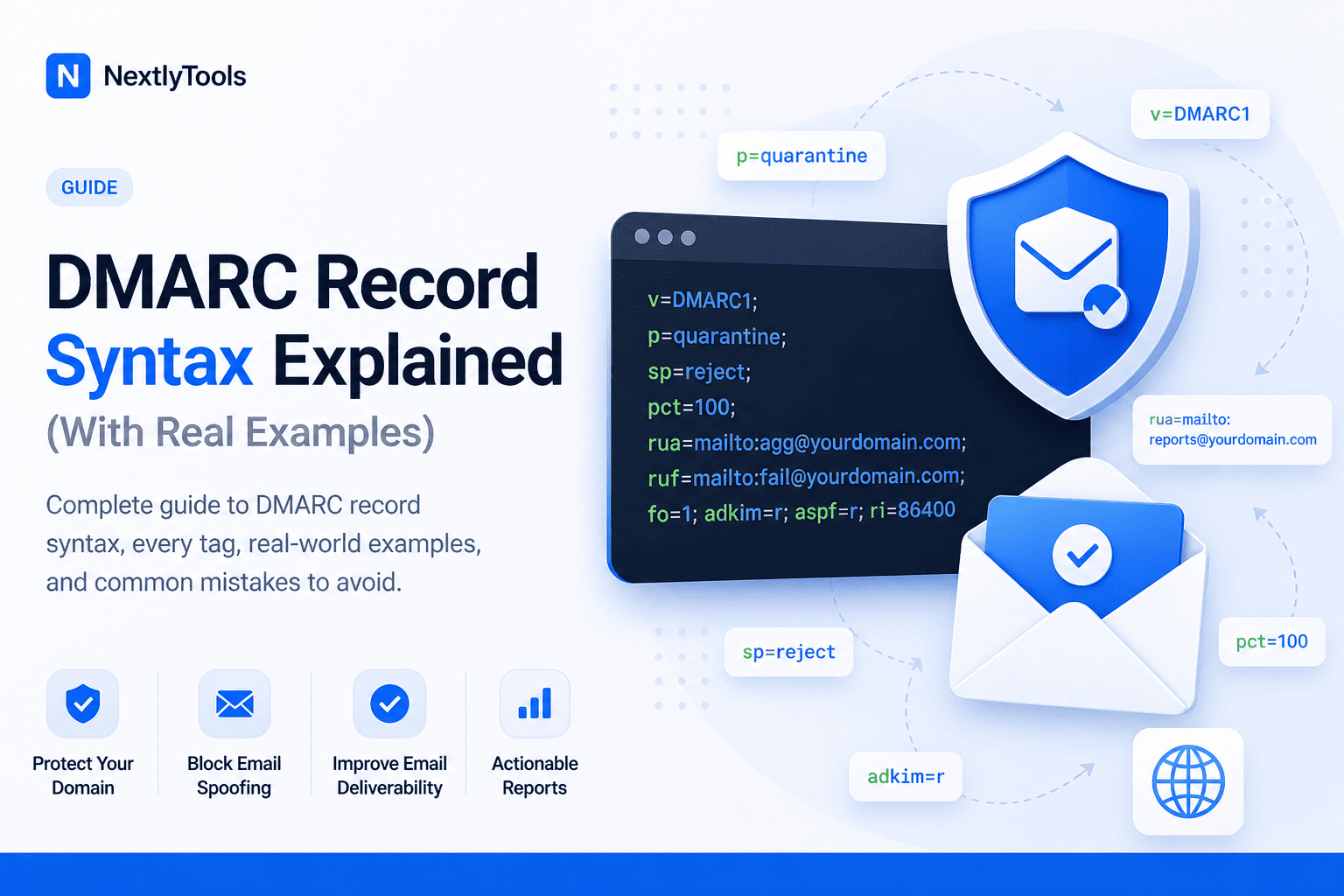
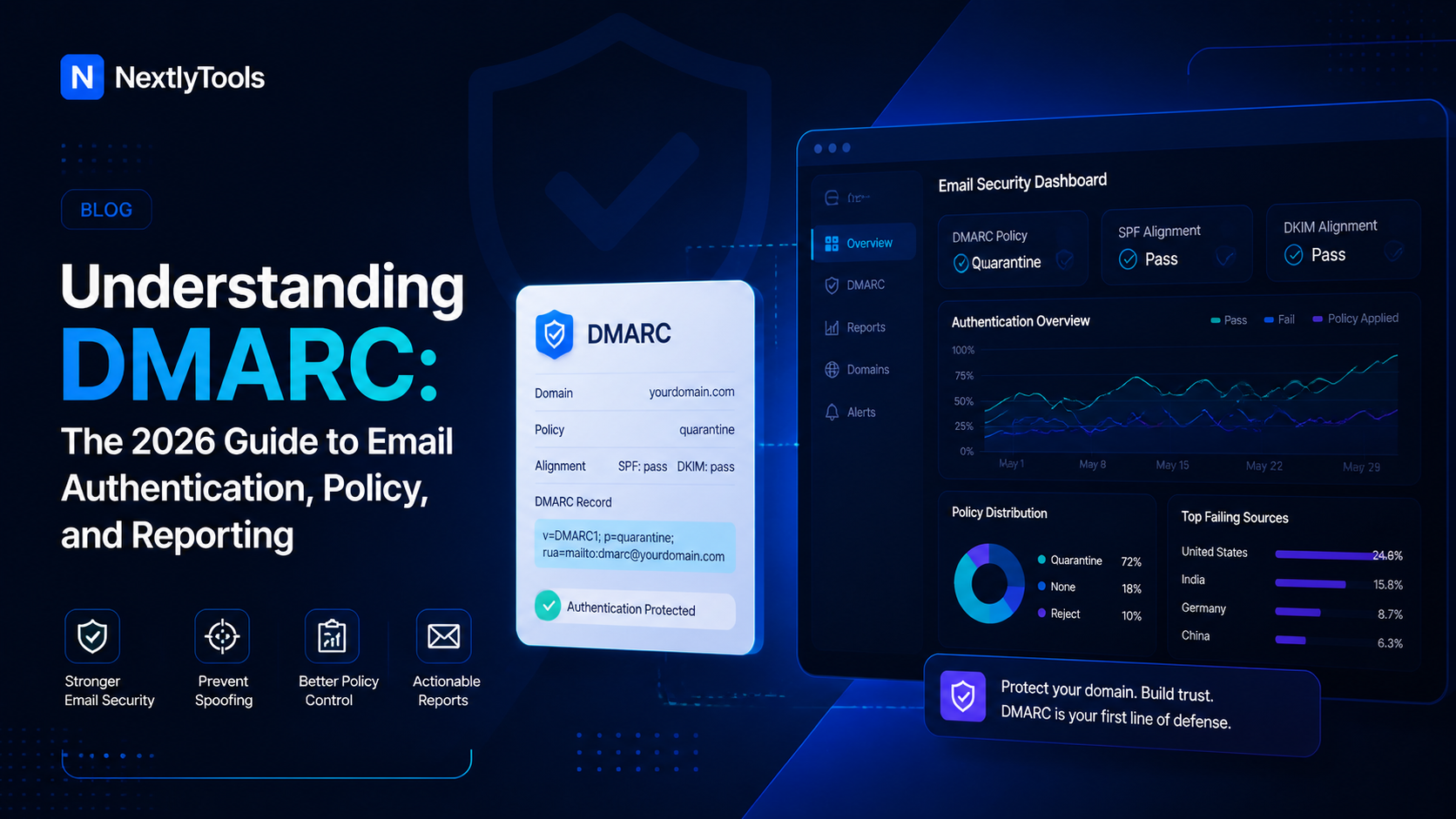
How DMARC Protects Your Domain

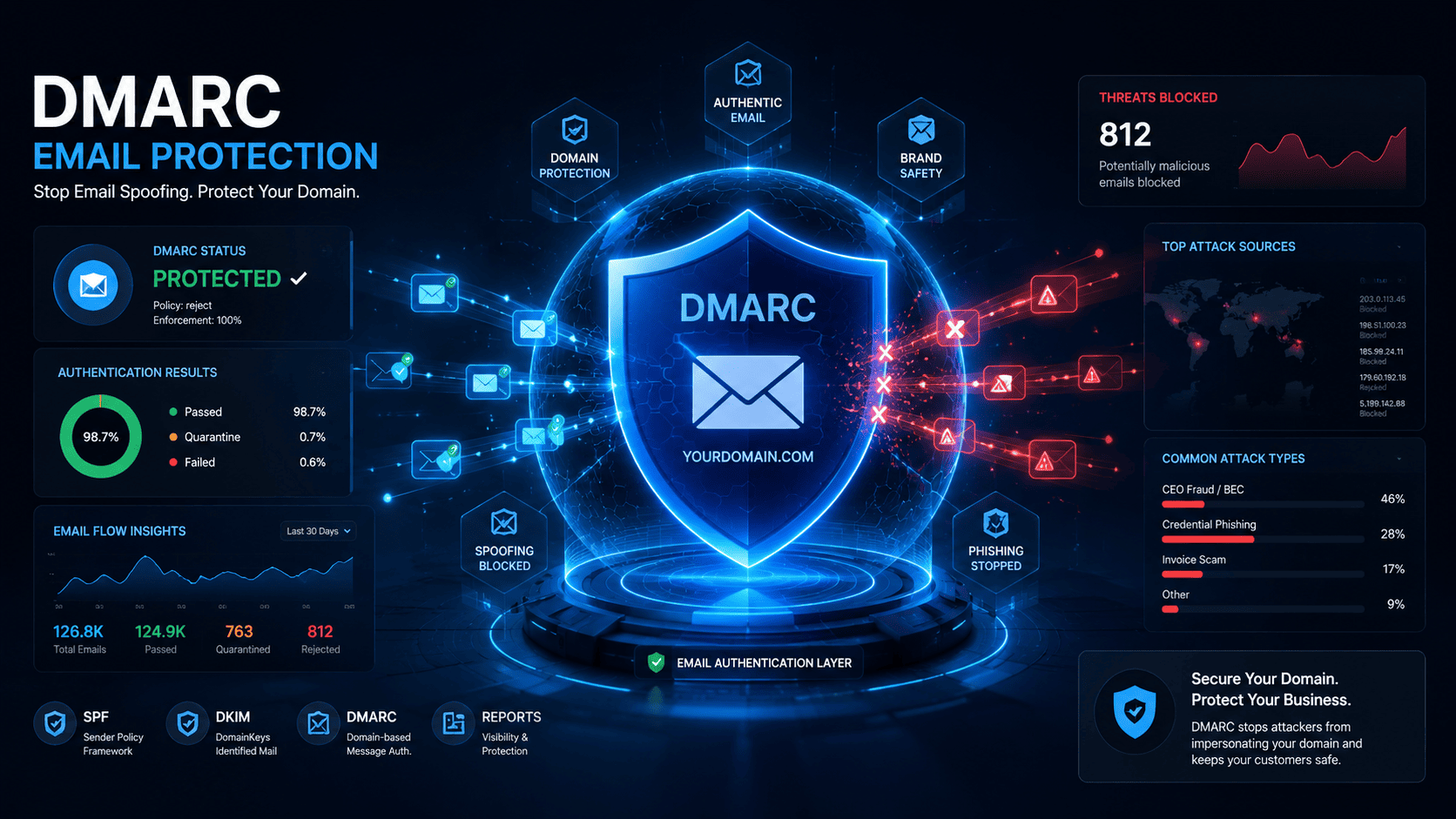
DMARC tells receiving mail servers what to do when an email fails authentication. Learn how it works, what the three policy levels mean, and how to protect your domain step by step.

Read article →
How Email Spoofing Works
Email Authentication 14 min read

How Email Spoofing Works

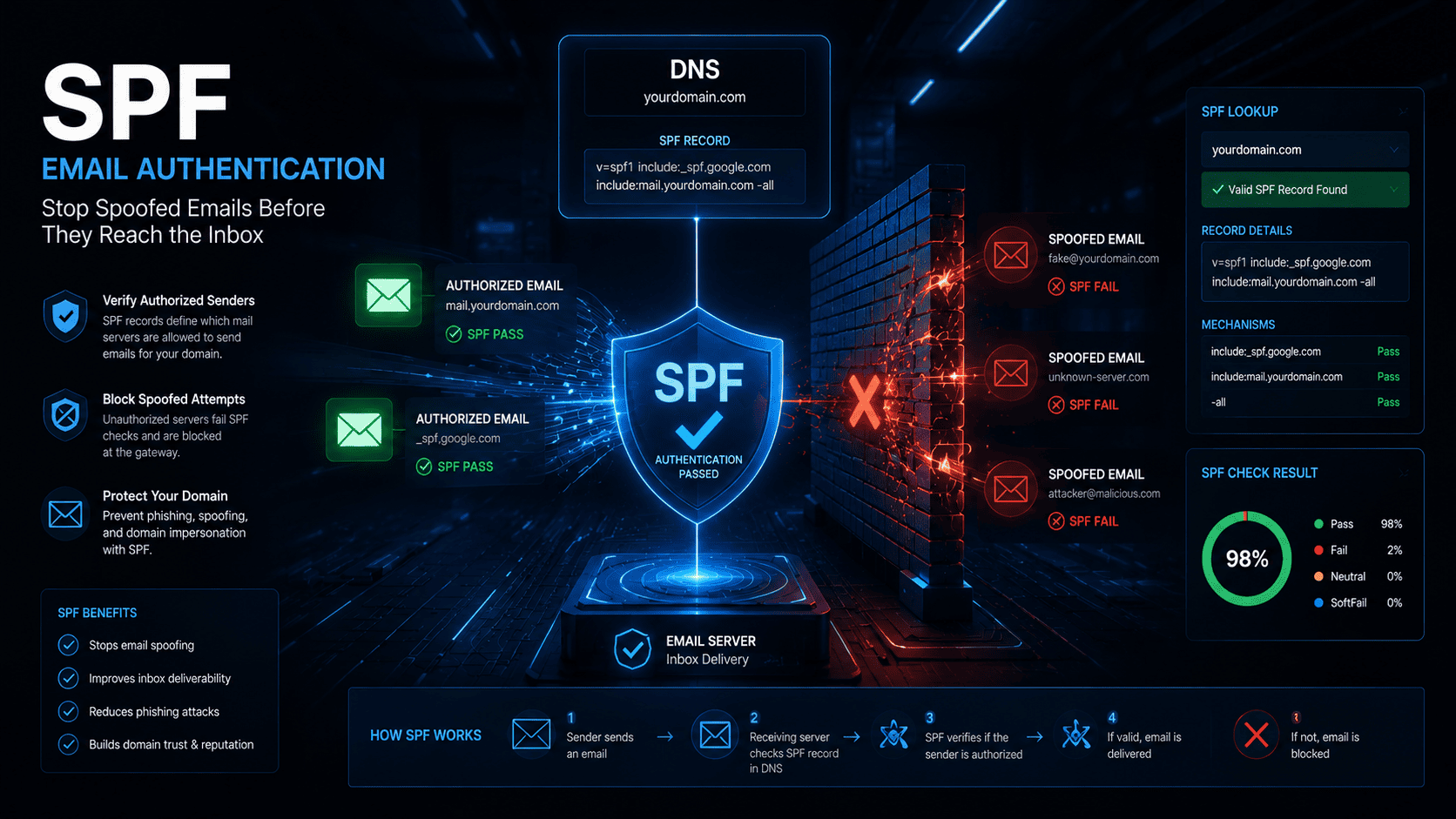
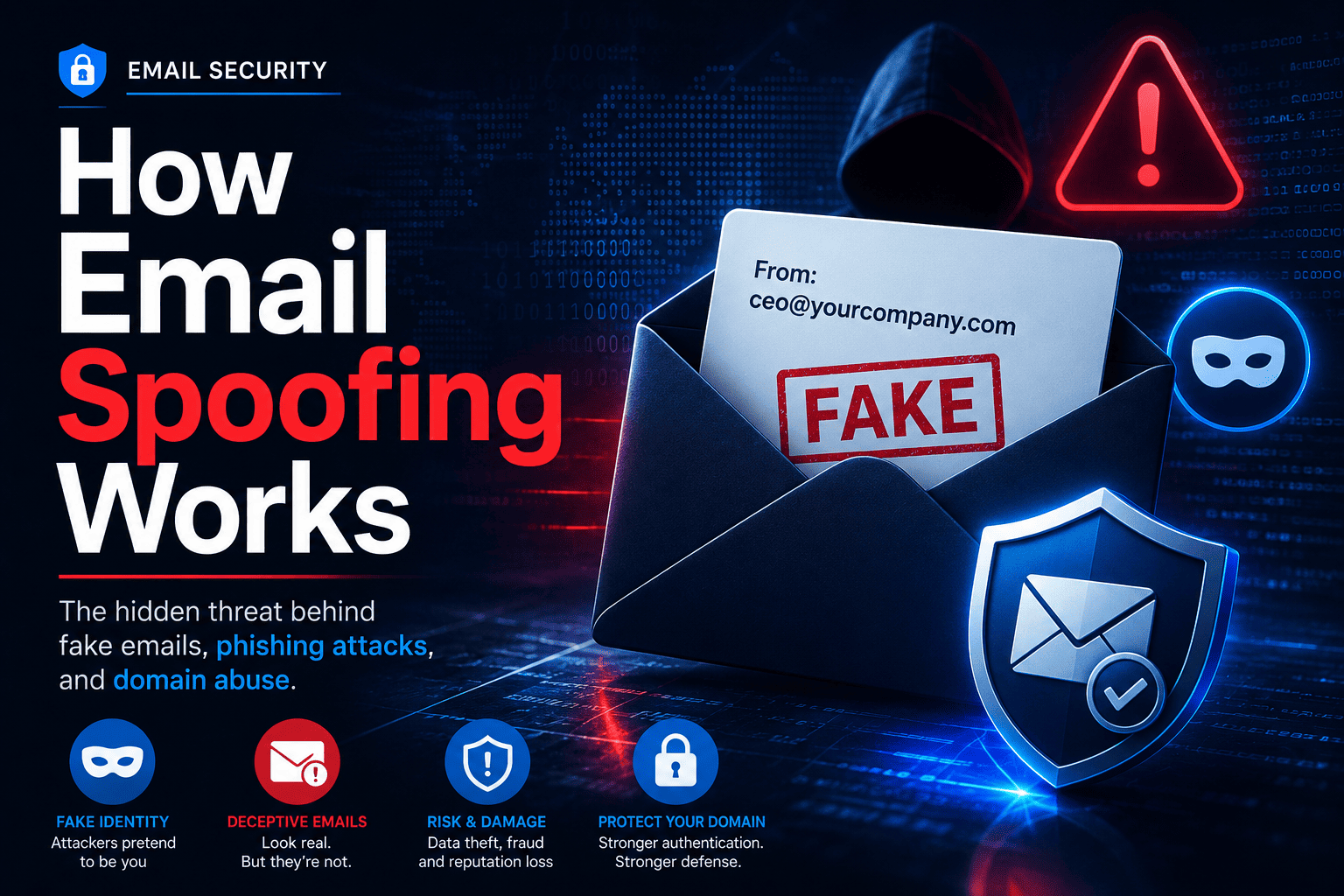
Email spoofing is when attackers send emails that appear to come from your address or domain without accessing your account. This beginner-friendly guide explains how spoofing works, why SMTP allows it, and how SPF, DKIM, and DMARC protect your domain from fake emails and phishing attacks

Read article →
DMARC Fail Explained: What It Means and How to Fix It
Email Authentication 11 min read

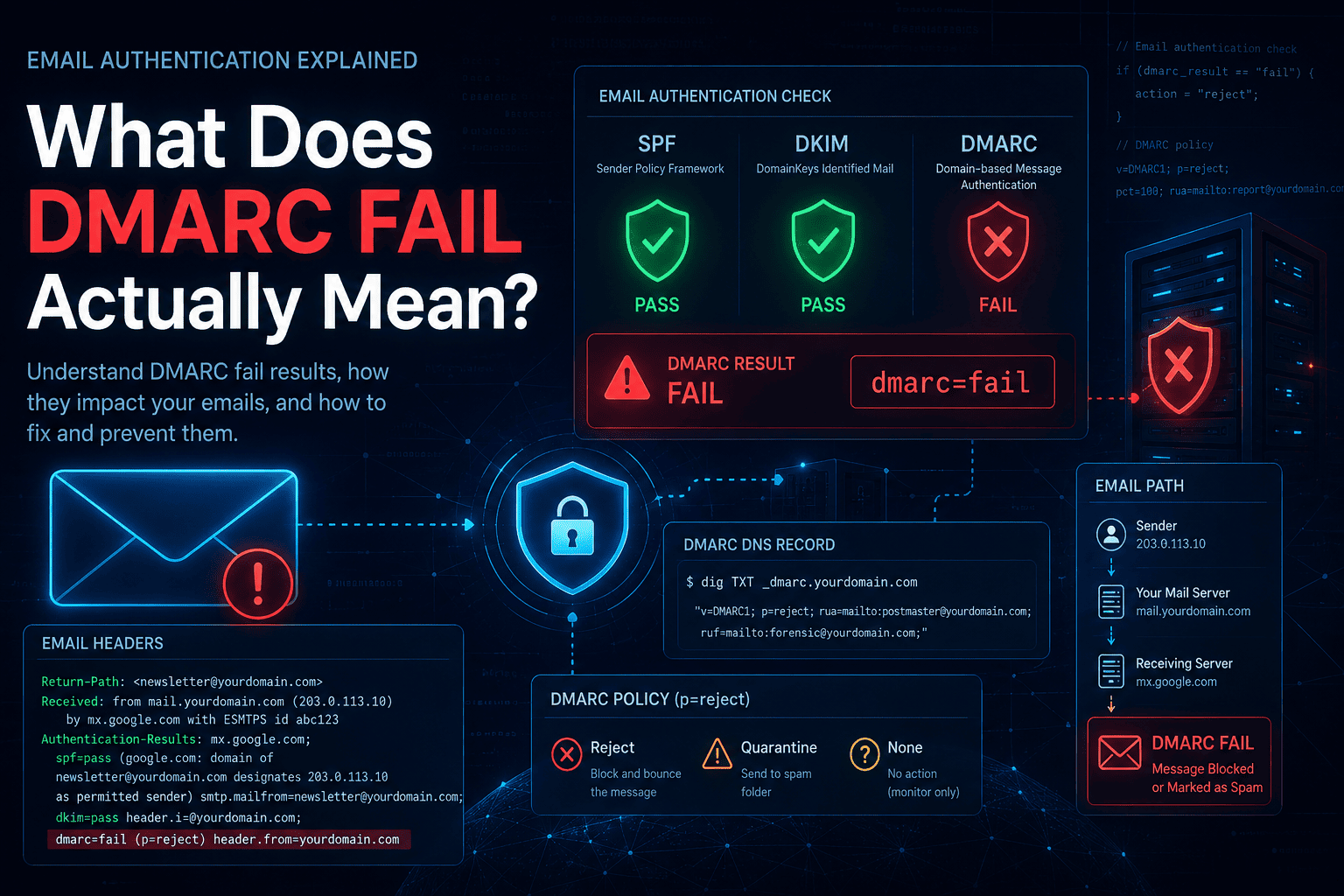
DMARC Fail Explained: What It Means and How to Fix It

DMARC fail means an email claiming to come from your domain failed SPF or DKIM alignment checks. Learn the real causes of DMARC failures, how alignment works, common error messages, forwarding problems, and how to fix DMARC issues in Mailchimp, SendGrid, Office 365, and Google Workspace.

Read article →
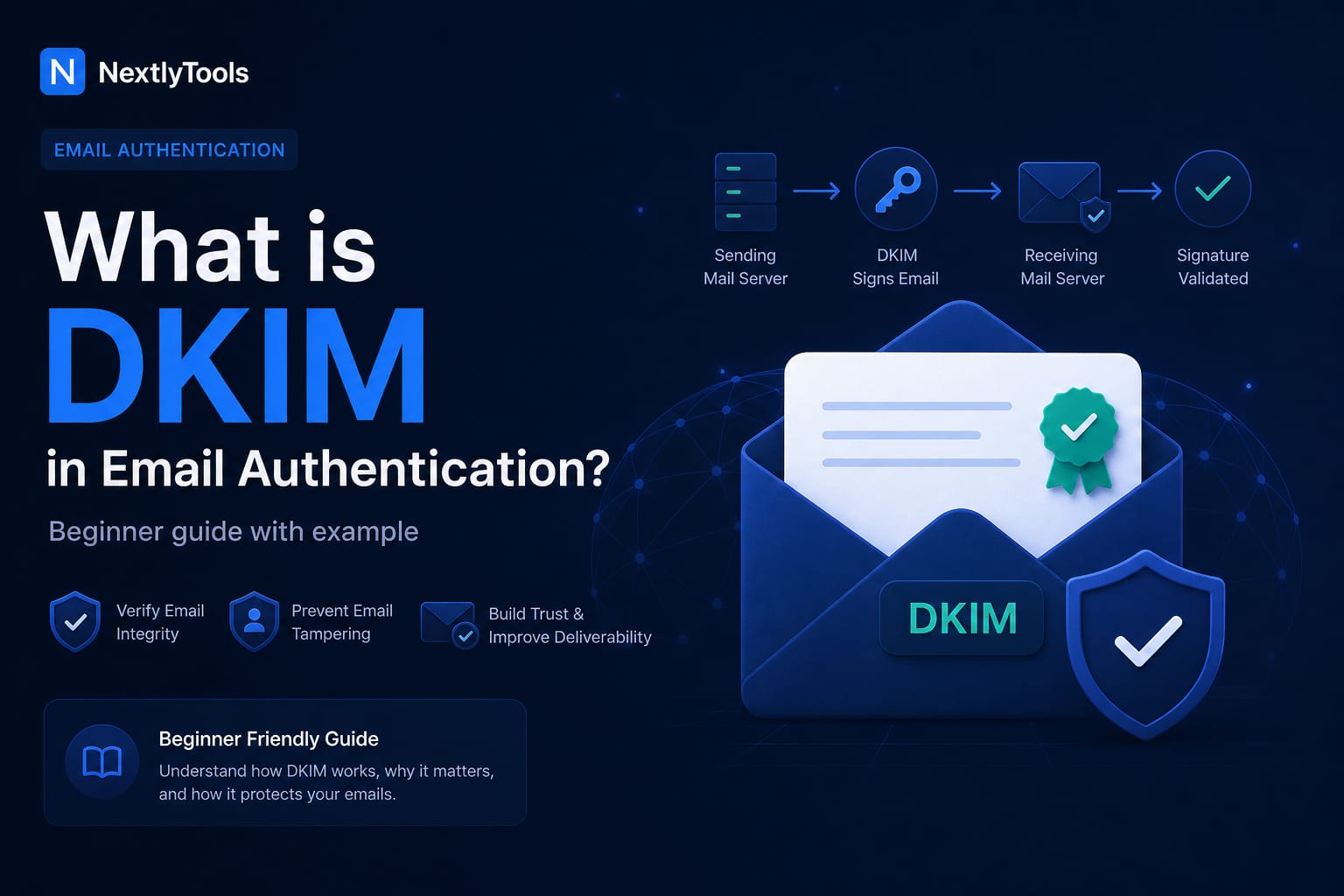
What is DKIM in Email? (DNS Record, Example & How It Works)
Email Authentication 5 min read

What is DKIM in Email? (DNS Record, Example & How It Works)

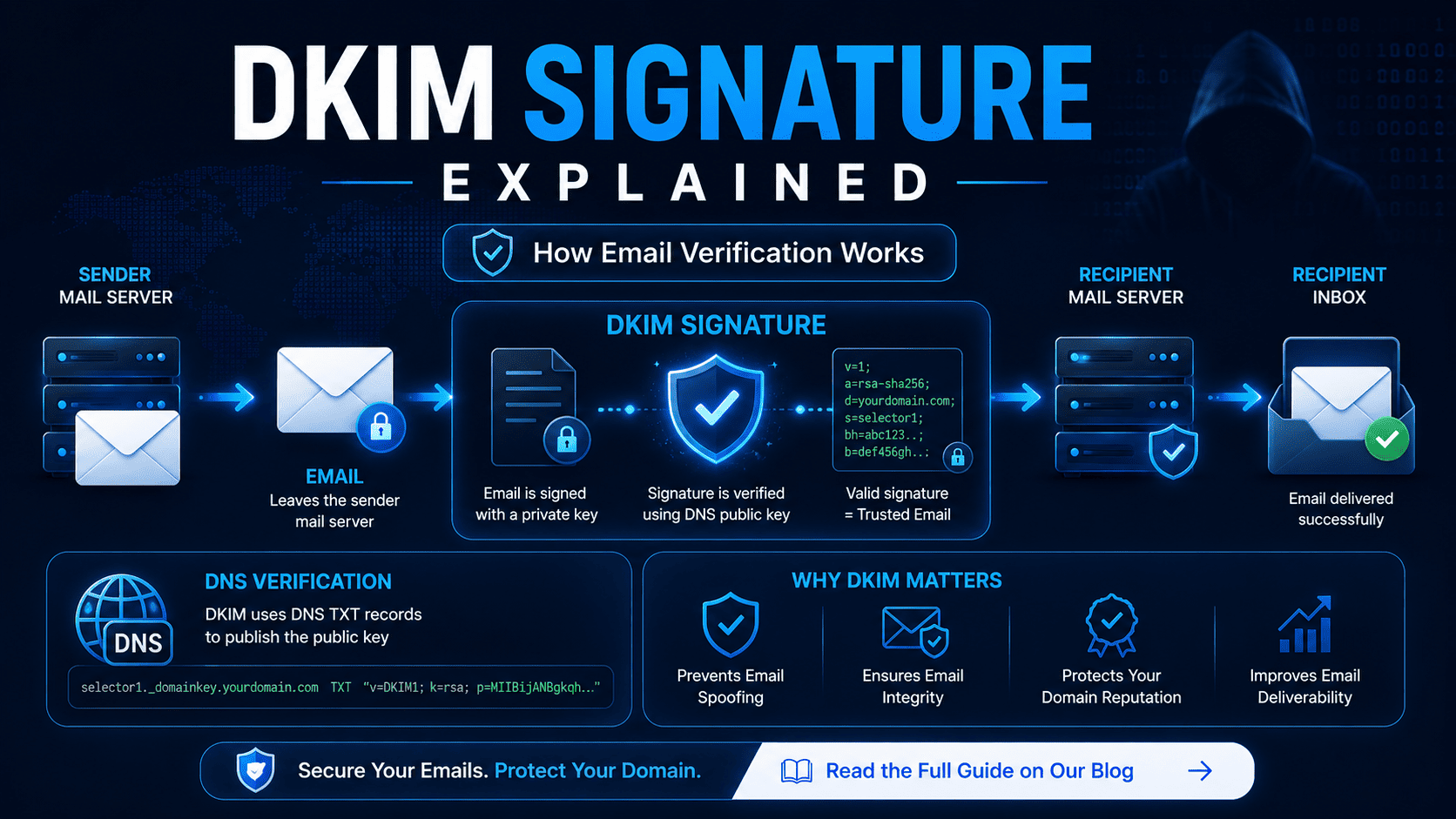
DKIM (DomainKeys Identified Mail) is an email authentication method that adds a cryptographic digital signature to every email you send. This signature proves to the recipient server that the email was actually sent by you and—more importantly—that the content wasn't tampered with during transit.

Read article →